All posts
Karolina Konopka
Customer Success Manager

 4 min read
Listen and understand your customers. Win them at any stage of their journey.
cx Platform
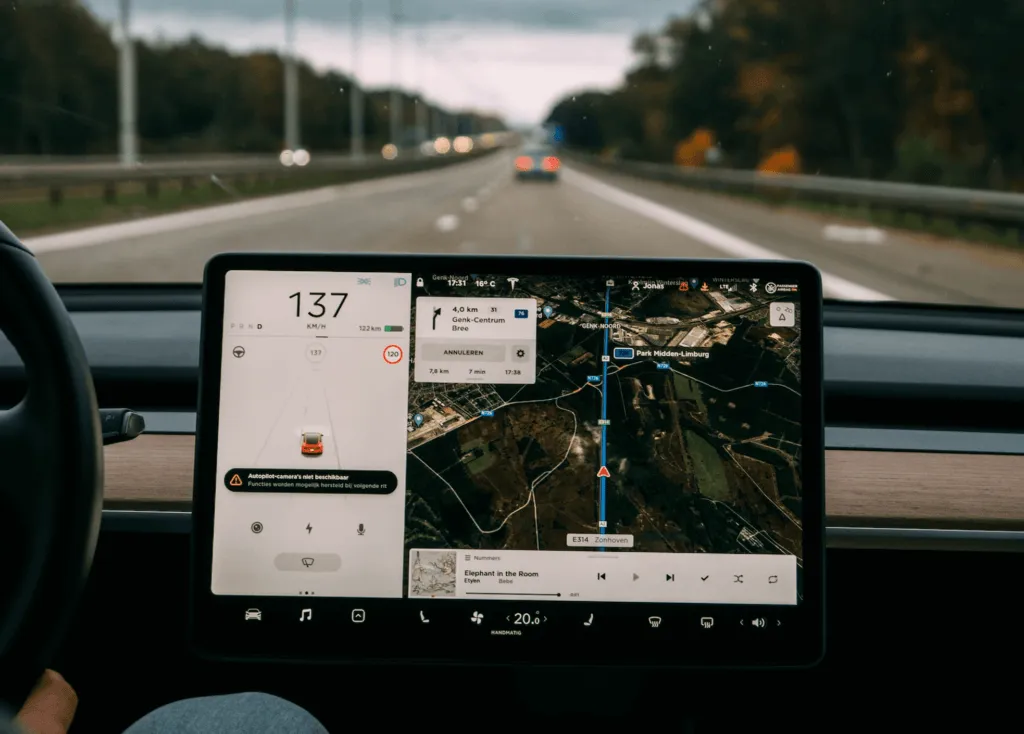
Automotive customer experience (CX) is no longer just the dealership moment—it’s the full journey across research, purchase, delivery, service, apps, and support. This article is for OEM and dealership CX leaders, service managers, and marketing teams who want to keep pace with changing expectations and improve loyalty. You’ll get a clear view of the five most important automotive customer experience trends for 2026, what they mean in practice, and which metrics to track (CSAT, CES, NPS, and operational signals). If you’re building a program from scratch, start with a customer experience strategy and a practical survey design guide.
Quick overview: 5 automotive customer experience trends
| Trend | What it means | What to measure | Practical example |
|---|---|---|---|
| Purchase + service treated as one journey | CX doesn’t end at delivery | Post-purchase CSAT, delivery effort (CES), repeat service | Delivery check-in + first service follow-up |
| Digital-first journeys | More steps happen online | Funnel drop-off, self-serve success, CES | Virtual showroom + online financing |
| Personalization from real customer data | Tailored offers and messaging | Offer relevance, conversion, NPS by segment | Service reminders based on usage |
| Sustainability as a CX differentiator | Values shape brand preference | Brand sentiment, NPS, reasons in open text | EV education + transparent impact |
| Proactive support + predictive maintenance | Fix issues before customers complain | Time-to-resolution, service CSAT, FCR | Proactive alert + easy scheduling |
1) Increased focus on both purchase and service experience
Automotive brands are aligning the buying experience with what happens after delivery—because loyalty is often earned in service and support, not only in sales.
- Streamlined purchase process: research, comparison, configuration, and financing are increasingly digital.
- Service experience as a loyalty engine: customers judge the brand by appointment scheduling, transparency, and speed.
- Feedback at key milestones: test drive, delivery, first 30 days, and each service visit.
If you want a simple way to understand what customers actually need, start with a customer needs survey template and then run short follow-ups using online surveys.
For service and support, CES is often more actionable than satisfaction alone—use a customer effort score (CES) survey after service visits to detect friction.
2) Seamless journey management through digital adoption
Digital adoption is now a CX requirement. Customers want to move between online and offline touchpoints without repeating information.
- Digital showrooms and virtual test drives: interactive product exploration before visiting a dealership.
- Online research and configuration: transparent options, pricing, and trade-in estimates.
- Transparent pricing and financing: fewer surprises, fewer handoffs.
If your surveys feel long or “form-like,” review survey question types and design shorter, event-based surveys that match the moment.
3) Personalization (without being creepy)
Personalization is shifting from generic Hello {name} messages to context-aware experiences based on real interactions: service history, ownership stage, and product usage.
What works in practice:
- Lifecycle segmentation: first-time buyers vs repeat buyers vs lease renewals.
- Role-based personalization: fleet managers and private owners need different journeys.
- Closed-loop workflows: route low scores to service managers quickly.
A simple starting point is collecting consistent qualitative feedback alongside scores—see customer feedback email best practices to improve response rates and clarity.
4) Emphasis on sustainability and eco-friendly solutions
Sustainability is increasingly part of the experience: education, transparency, and support around EV adoption, charging, and long-term costs.
- EV education as CX: reduce anxiety with clear guidance and onboarding.
- Alternative fuel options: broader choice creates broader expectations.
- Operational transparency: customers want clarity on costs, trade-offs, and impact.
The key CX move here is listening: sustainability messaging fails when it’s one-way. Use short surveys to ask what matters most (range, cost, charging access, total cost of ownership) and reflect that back into your journey.
5) Proactive customer support and predictive maintenance
Proactive support reduces churn because you solve problems before they become complaints. Predictive maintenance is one part of that; operational responsiveness is the other.
- Continuous performance monitoring: connected vehicles surface early warnings.
- Predictive analysis: patterns help plan maintenance and parts availability.
- Proactive alerts: clear guidance and easy scheduling improves experience.
To track how support actually performs, pair service CSAT with operational metrics like first contact resolution rate and follow up low scores within 24–48 hours.
How Responsly helps automotive teams act on CX trends
CX trends don’t matter if you can’t measure and improve them. Responsly helps teams collect and analyze feedback across critical moments in the automotive journey:
- Event-based surveys after delivery, service appointments, and support interactions
- Templates for fast deployment (CSAT, CES, NPS)
- Analytics to track trends over time and spot recurring friction
- Distribution that fits the moment (link, embed, and multi-channel workflows)
Start here: surveys and customer experience resources.
Summary
Automotive customer experience is being reshaped by digital-first journeys, better integration between sales and service, smarter personalization, sustainability expectations, and proactive support. The most effective teams treat CX as a measurable system: capture feedback at key moments, combine CSAT/CES/NPS with operational metrics, and close the loop quickly.