4 min read
Listen and understand your customers. Win them at any stage of their journey.
cx Platform
In the rapidly evolving digital age, the capacity to comprehend and apply conversation intelligence has emerged as a crucial skill. As technology continues to break new ground, it is opening up a world of possibilities for businesses and individuals to harness the power of their interactions. They are finding innovative and creative ways to extract valuable insights from these interactions, transforming the way we communicate and conduct business.
What is Conversation Intelligence?
Conversation intelligence refers to the systematic analysis and interpretation of spoken or written communication to extract meaningful insights. This field has gained prominence with the rise of artificial intelligence and natural language processing, enabling businesses to comprehend, enhance, and optimize their interactions with customers, employees, and stakeholders. By utilizing machine learning and natural language, conversational intelligence can pinpoint keywords and topics in your customer interactions to give a more detailed picture of your customer experience.
What data can Conversation Intelligence analyze?
Conversation intelligence can analyze a wide range of data, encompassing both spoken and written communication. The types of data that conversation intelligence tools can analyze include:
- Speech and audio data
- Call recordings: for businesses that engage in phone-based customer interactions or sales calls, analyzing recorded conversations provides insights into customer sentiments, preferences, and concerns.
- Voicemail transcription: converting voicemails into text allows for analysis and categorization of customer feedback and inquiries.
- Text data
- Chat logs: analyzing text-based conversations from chat platforms, social media, or messaging apps helps businesses understand customer behavior, sentiment, and frequently asked questions.
- Emails and correspondence: conversation intelligence tools can process and analyze email content to extract valuable insights related to customer inquiries, support issues, and business communications.
- Meeting transcriptions
- Transcripts of meetings: transcribing and analyzing discussions from meetings allows organizations to identify action items, track progress, and understand team dynamics.
- Virtual meetings: video conferencing platforms can be integrated with conversation intelligence tools to analyze spoken content, gestures, and engagement levels during virtual meetings.
- Customer feedback
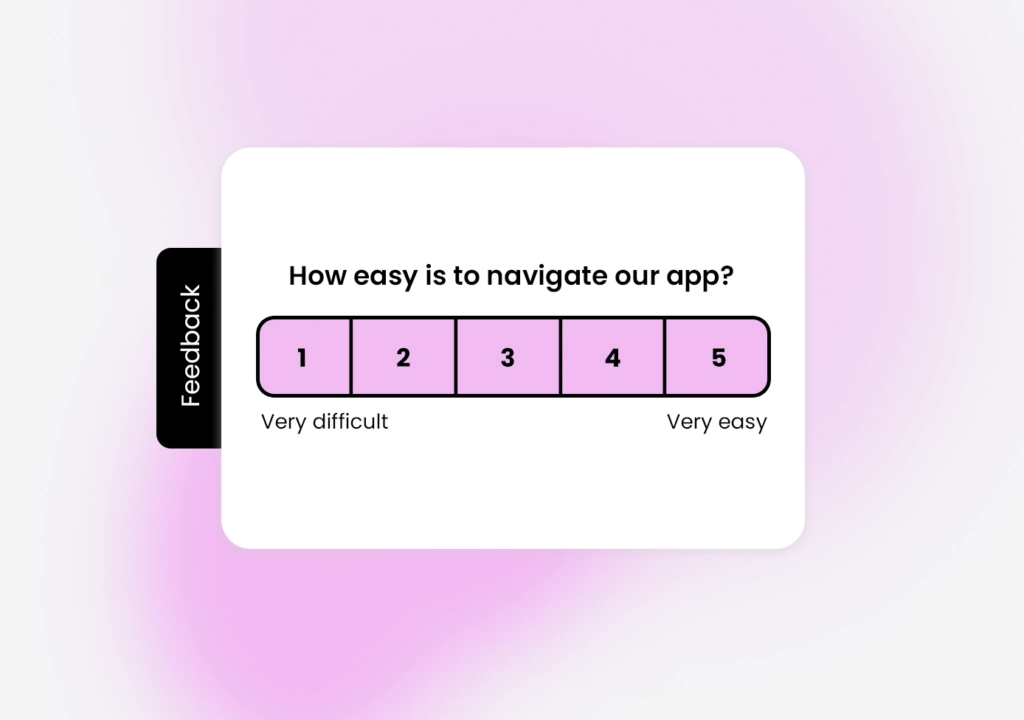
- Surveys and reviews: analyzing customer experience survey responses and online reviews provides valuable information about customer satisfaction, pain points, and areas for improvement.
- Social media mentions: monitoring social media conversations allows businesses to understand public sentiment, identify trends, and address customer concerns in real-time.
- Employee communication
- Internal chat platforms: analyzing communication within teams through tools like Slack or Microsoft Teams helps organizations improve collaboration, track project progress, and identify communication patterns.
- Employee surveys: analyzing responses to employee experience surveys provides insights into workplace satisfaction, areas for improvement, and potential issues within the organization.
Why is Conversation Intelligence important?
Conversation intelligence holds significant importance in various aspects of business and communication. Here are several key reasons why conversation intelligence is crucial in today’s dynamic and competitive landscape:
- Enhanced customer experiences
- Personalization: analyze customer interactions to offer tailored solutions and recommendations.
- Real-time feedback: detect issues quickly and address them before they escalate.
- Improved sales and revenue generation
- Lead prioritization: identify high-potential leads by analyzing communication patterns in sales interactions.
- Sales coaching: provide targeted coaching based on what top performers do differently.
- Optimized marketing strategies
- Content relevance: use customer language and themes to create more relevant content.
- Campaign evaluation: understand how customers respond to messaging and iterate faster.
- Efficient employee collaboration
- Productivity enhancement: identify bottlenecks and improve processes using internal communication signals.
- Remote collaboration: maintain effective collaboration among distributed teams.
- Strategic decision-making
- Data-driven insights: turn conversations into structured signals leaders can act on.
- Identifying trends: detect emerging issues and preferences earlier.
Examples of Conversation Intelligence
- Customer support and engagement
- Chatbots and virtual assistants: engage with customers in real time to answer queries and facilitate transactions.
- Sentiment analysis: analyze tone and language to gauge satisfaction and identify issues.
- Sales and marketing
- Lead scoring: analyze sales calls to identify signals of intent and prioritize follow-ups.
- Content optimization: tailor messaging based on language that resonates with prospects.
- Employee productivity and collaboration
- Meeting transcription and summarization: reduce note-taking and improve follow-through.
- Feedback analysis: identify communication patterns and improve team dynamics.
- Training and development
- Language learning apps: provide personalized feedback on speaking and comprehension.
- Soft skills training: use simulations and role-play to improve interpersonal skills.
- Compliance and risk management
- Monitoring for compliance: ensure internal and external communication meets standards.
- Identifying anomalies: detect risk patterns early and escalate before problems grow.
As conversation intelligence continues to evolve, its applications are becoming increasingly diverse and impactful. From enhancing customer experiences to improving internal communication, businesses across industries are harnessing the power of AI and natural language processing to derive valuable insights from conversations. The journey towards more intelligent and meaningful interactions has only just begun, and the future promises even more exciting possibilities for conversation intelligence.