Table of contents
- Our take: the one shift behind every 2026 trend
- 1. AI-driven feedback analysis becomes the default
- 2. Continuous, in-the-moment feedback loops
- 3. Predictive churn prevention
- 4. Immersive and unified omnichannel CX
- 5. AI-driven emotional intelligence
- 6. Voice and ambient experience: the rise of invisible CX
- How Responsly helps you act on these trends
- 90-day CX trend adoption roadmap
- KPIs to track CX trend impact
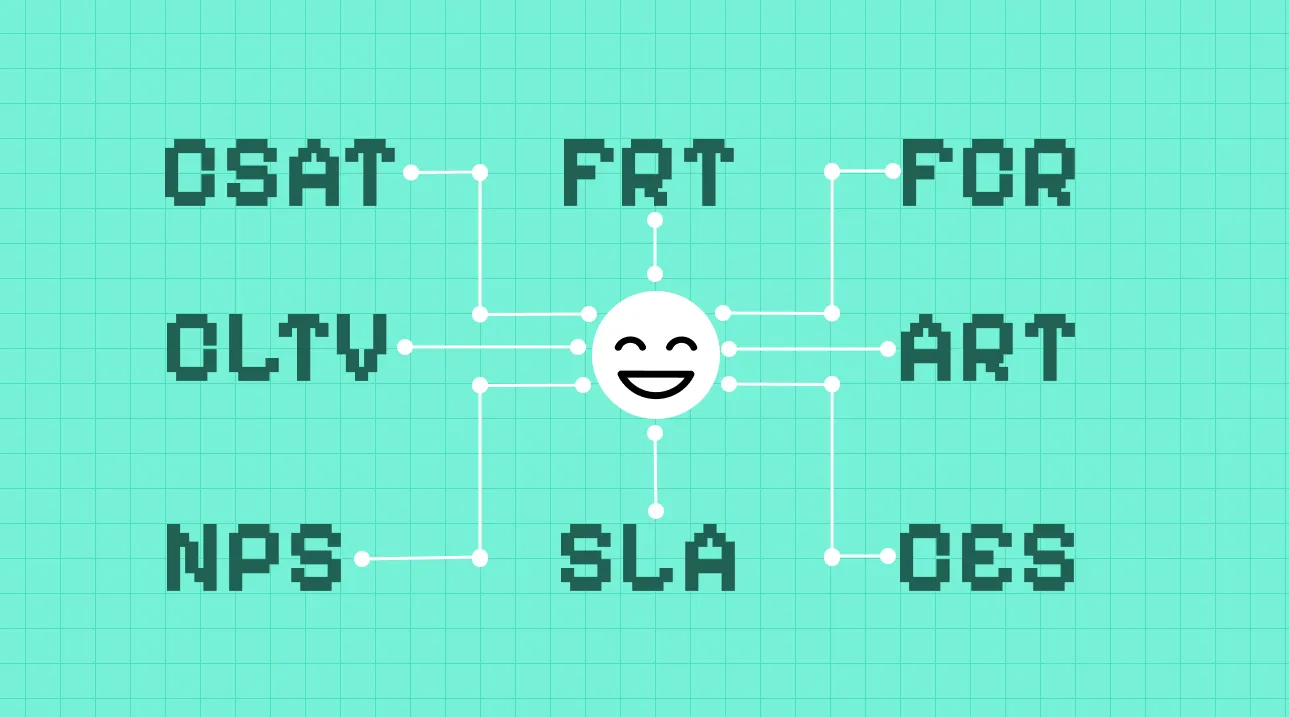
Customer experience trends are the emerging shifts in how brands collect, interpret, and act on customer signals across every touchpoint. In 2026 the direction is clear: CX is moving from reactive and periodic to predictive and continuous. This guide is for CX, product, and marketing leaders who want signal over hype—so instead of a generic list, we flag which trends are worth investing in now, which are still emerging, and which are overhyped for most teams. For each one you’ll get a concrete “what to actually do” step and how a modern feedback platform supports it.
Our take: the one shift behind every 2026 trend
If there is a single theme unifying customer experience trends this year, it is the collapse of the gap between hearing a customer and responding to them. The winning programs we see are not the ones running the most surveys—they are the ones that close the loop fastest. Every trend below is really a variation on that idea. Read them through that lens and the priorities become obvious.
Before the deep dive, here is the honest prioritization we’d recommend:
| Trend | Maturity | Who it’s for | What to actually do first |
|---|---|---|---|
| AI feedback analysis | Do it now | Everyone with open-text feedback | Auto-categorize comments and route themes to owners |
| Continuous feedback loops | Do it now | SaaS, e-commerce, services | Trigger surveys mid-journey, not only after |
| Predictive churn prevention | Do it now | Subscription / B2B | Act on falling scores in week two, not on cancellation |
| Unified omnichannel | Emerging | Multi-touchpoint brands | Consolidate feedback into one platform first |
| Voice & ambient CX | Emerging | Retail, IoT, telco | Pilot small; measure effort reduction |
| AR/VR & metaverse CX | Overhyped (most) | Niche retail/gaming | Skip unless it’s core to your product |
1. AI-driven feedback analysis becomes the default
The biggest, most immediately useful shift in 2026 is not a customer-facing gimmick—it is what happens behind the scenes. Teams are drowning in open-text feedback from surveys, reviews, and support tickets that no human can read at scale. AI now clusters that feedback into themes, tracks sentiment over time, and surfaces the “why” behind your scores automatically.
What to do: Stop manually tagging comments in spreadsheets. Use an AI agent to summarize open-ended responses and flag emerging issues. Responsly’s Athena AI agent reads every response, groups recurring themes, and highlights at-risk accounts—turning raw text into a prioritized action list in your feedback analytics dashboard.
2. Continuous, in-the-moment feedback loops
Online surveys remain a cornerstone of customer experience—but in 2026 they’ve evolved from quarterly relationship studies into always-on, conversational loops. Feedback is triggered by behavior, sentiment shifts, or usage anomalies, so you hear from customers at the exact moment friction appears rather than months later.
What to do: Add short, contextual surveys mid-experience—after onboarding milestones, support interactions, or a failed action. Use website and in-app surveys to reach the silent majority, not only the vocal few.
3. Predictive churn prevention
Reacting to cancellations is a lagging strategy. In 2026, mature CX teams shift their save motion “left”—intervening on a passive NPS score in week two instead of a cancellation request in month eleven. Predictive signals (declining usage, falling scores, repeat tickets) let you reach at-risk customers while you can still keep them.
What to do: Define at-risk thresholds, route detractor alerts to an owner, and pair scores with a closed feedback loop. For the full playbook, see how to reduce customer churn with proactive feedback.
4. Immersive and unified omnichannel CX
Simple channel integration is no longer enough. The rise of context-aware CX brings digital and physical touchpoints together in real time—but the prerequisite that most teams skip is unglamorous: your feedback must live in one place first. Fragmented data across five tools makes “unified” journeys impossible.
What to do: Consolidate feedback across email, SMS, WhatsApp, website, and in-app into a single voice of customer platform before chasing immersive experiences. Unified data is the foundation everything else stands on.
5. AI-driven emotional intelligence
AI in 2026 goes beyond automation—it interprets tone, intent, and urgency. Emotionally aware systems adapt messaging, recommend empathetic actions to human agents, and flag frustration before it escalates. Used well, this bridges the human-AI empathy gap; used lazily, it produces robotic responses customers see through instantly.
What to do: Apply sentiment and emotion detection to prioritize which customers get a human, personal follow-up first—don’t use it to automate empathy away.
6. Voice and ambient experience: the rise of invisible CX
2026 is seeing a leap in voice-first and ambient experiences, where interaction happens seamlessly and often invisibly—smart speakers, connected vehicles, and voice-enabled service. These create trust by letting customers use their own language and tone, and tie into location and context for hyper-relevant, low-effort help.
A word of caution: Ambient and immersive CX (including AR/VR) is genuinely exciting, but for most B2B and services businesses it is still emerging. Pilot small and measure whether it actually reduces customer effort before scaling.
How Responsly helps you act on these trends
The common thread across every 2026 trend is speed from signal to action. Responsly is an AI-powered customer feedback platform built exactly for that:
- Collect everywhere: run surveys across email, SMS, WhatsApp, website, and in-app with multichannel distribution, so you capture signals at the moment they appear.
- Analyze with Athena: Athena clusters open-text feedback, tracks sentiment, and predicts at-risk accounts—no manual tagging required.
- Launch fast: start from proven customer experience survey templates instead of building from scratch.
- Close the loop: integrate with Slack and your CRM so a low score automatically creates a task and an owner.
Ready to put these trends into practice? Explore the survey maker or create a free account and launch your first continuous feedback loop today.
90-day CX trend adoption roadmap
To operationalize these trends, use a quarter-based rollout:
- Days 1-30: Prioritize opportunities - Audit your journey data, identify top friction points, and select 2-3 trends with the highest business impact.
- Days 31-60: Pilot and validate - Run focused pilots (for example AI-assisted support triage or mid-journey pulse surveys) with measurable success criteria.
- Days 61-90: Scale and standardize - Expand winning pilots to more segments, document playbooks, and define ownership across teams.
KPIs to track CX trend impact
Trend adoption should be measured in business outcomes:
- Customer satisfaction (CSAT) by journey stage.
- Customer effort score (CES) on high-friction flows.
- Net promoter score (NPS) trend over time.
- Resolution time for support interactions.
- Closed-loop action rate - the share of negative feedback that gets a follow-up.
- Retention and repeat purchase rate after rollout.
For implementation depth, combine this with the CX ultimate guide and your customer segmentation strategy.
FAQ
What are the top customer experience trends in 2026?
How can companies prioritize CX trends effectively?
Which teams should own customer experience trends?
What KPIs should be tracked for CX trend adoption?
Which CX trends are overhyped in 2026?
Tagged in
Last updated